What the North Carolina Permit Test Is
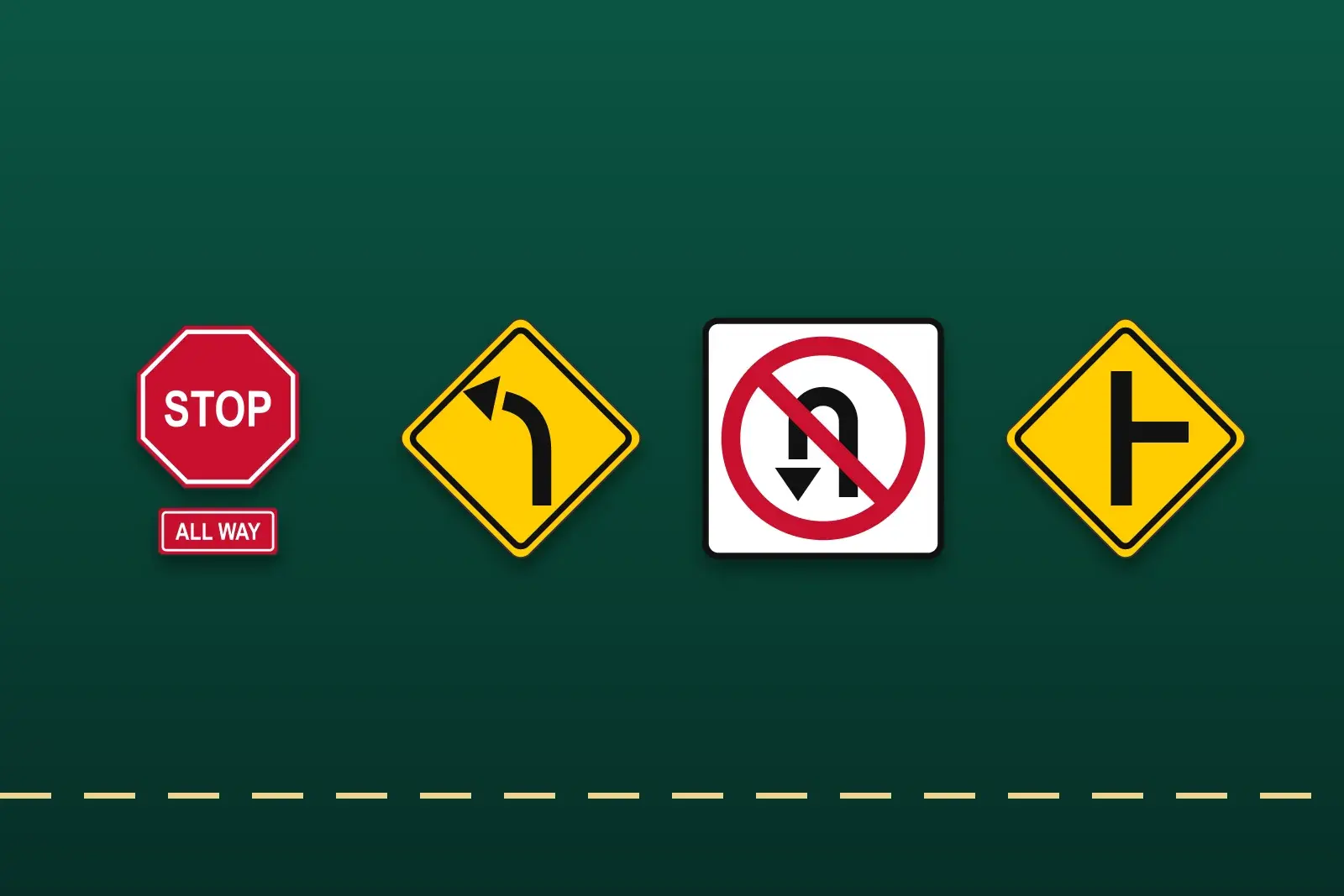
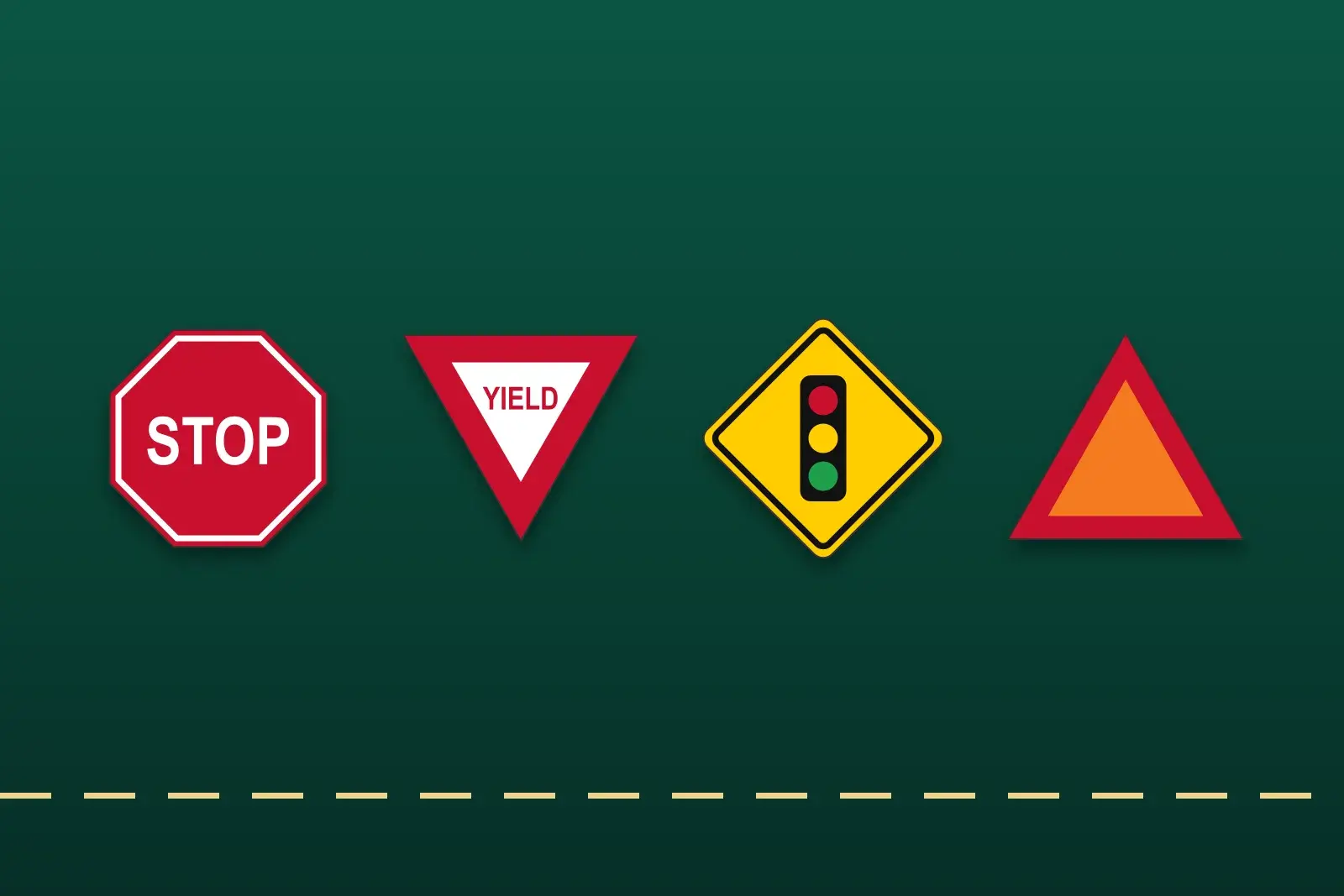
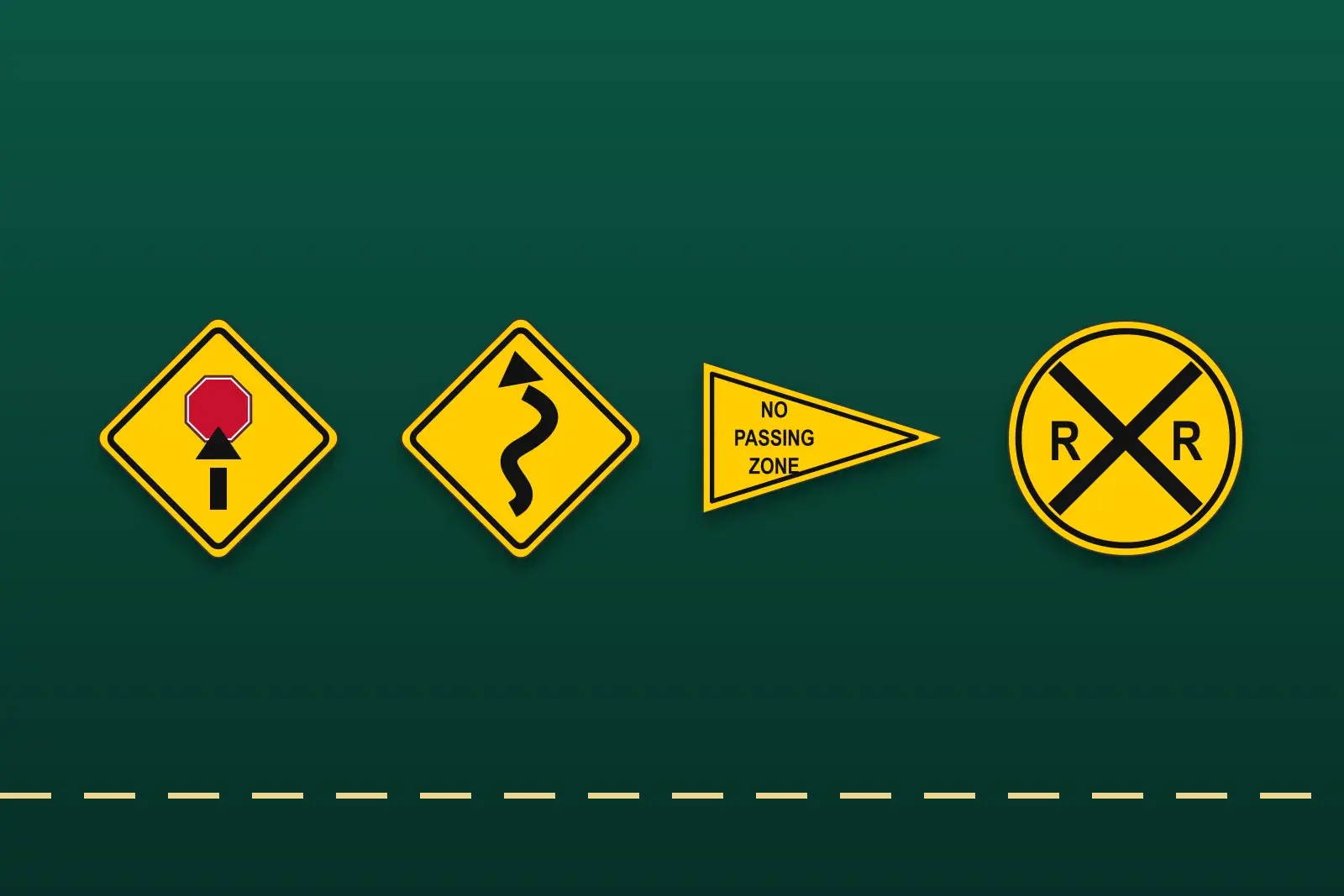
North Carolina splits the permit test in three: a vision test, a signs test and a knowledge test. The Driver Handbook says all the information on the signs test is in the handbook, and that you pass it by identifying each sign by color and shape and explaining what it means. This guide turns that into a plan, and you can start step one now with the free North Carolina practice questions, with no signup.
Test Format at a Glance
| Item | NCDMV knowledge test |
|---|---|
| Knowledge test | 80% to pass; the number of questions is not published |
| Road signs test | Separate test: identify signs by color and shape and explain what each means (NCDMV's test page: at least 9 of 12) |
| Vision test | Required for a permit |
| Driving test | Not required for a learner permit |
| Adult learner permit | Available at age 18 and older |
| Teen permit | Level One Limited Learner Permit for ages 15 to 17 with an approved driver education course (30 hours classroom, 6 hours behind the wheel) |
| If you fail | You can retake the test after seven calendar days |
Sources: NC Driver Handbook, NCDMV driver license tests, QuizCram permit test table. Rules change, so confirm with the agency before you test.
Step 1: Take a Practice Test Before You Study
Start with a practice test, not the manual. A cold first run shows where you actually stand, so you don't spend an evening re-reading chapters you already know. Take the free North Carolina practice questions the way you would take the real test: no looking things up and no guessing just to finish.
Then read the explanation on every question, including the ones you got right. Each answer cites the section of the manual it comes from, so every miss points you to the exact page to study.
Step 2: Study Only What You Missed
Open the North Carolina Driver Handbook and go straight to the sections behind your misses. Learn each sign by color, shape and meaning together, since that is exactly how the signs test is scored. For the knowledge test, study following distance (the two-second rule, with more room on wet roads), passing on hills and curves and North Carolina's detailed school bus rules, which differ for two-lane roads, roads with turning lanes, divided highways and undivided four-lane roads.
Step 3: Retake Until You Score Well Above the Pass Mark
Because the question count is not published, practice in sets of about 25 and aim for 90% or better, which leaves a cushion over the 80% line. Do the sign questions as a separate round so you know whether signs or rules are costing you points.
Use a timer and sit each practice test in one go. If one topic keeps costing you points, go back to the manual for it, then retest. When you pass practice tests comfortably on two different days, you are ready to book.
Step 4: Check Your Eligibility and Take the Tests
If you are 18 or older, you can apply for a learner permit and take the vision, signs and knowledge tests; no driving test is needed. If you are 15 to 17, you first need a certificate showing you completed an approved driver education course of at least 30 hours of classroom instruction and six hours of behind-the-wheel instruction, then you pass the written, signs and vision tests for the Level One Limited Learner Permit.
What Happens After You Pass
With a Level One permit, you can drive between 5 a.m. and 9 p.m. for the first six months with your supervising driver, and at any hour with a supervising driver after that. You must hold the permit for nine months before applying for a Limited Provisional License, and complete a driving log of at least 60 hours, with at least 10 at night, signed by your supervising driver. Only the driver and the supervising driver may ride in the front seat, and all passengers must be restrained.
If you do not pass, wait the seven days and try again; see the permit retake rules by state and how North Carolina compares in the hardest permit tests, ranked.
Frequently Asked Questions
How many questions are on the North Carolina permit test?
NCDMV does not publish the number of questions. It requires 80% to pass the knowledge test.
What is on the road signs test?
You identify traffic signs by color and shape and explain what each means. NCDMV's test page says you need at least 9 of 12 signs.
How old do I have to be?
Learner permits are available at 18 and older; teens can apply for a Level One Limited Learner Permit from 15 after an approved driver education course.
How long do I wait to retake it?
Seven calendar days after a failed test.
How many practice hours do teens need?
A driving log of at least 60 hours, with at least 10 at night, and nine months holding the Level One permit before applying for a Limited Provisional License.
Is there a cheat sheet for the North Carolina permit test?
Yes. The North Carolina cheat sheet lists the numbers the test asks about on one printable page, with the manual section for each.
Are practice questions the same as the real NCDMV questions?
No. QuizCram's questions are original, written from the North Carolina Driver Handbook and checked against its text, with the section cited on every answer. QuizCram is not affiliated with the NCDMV.